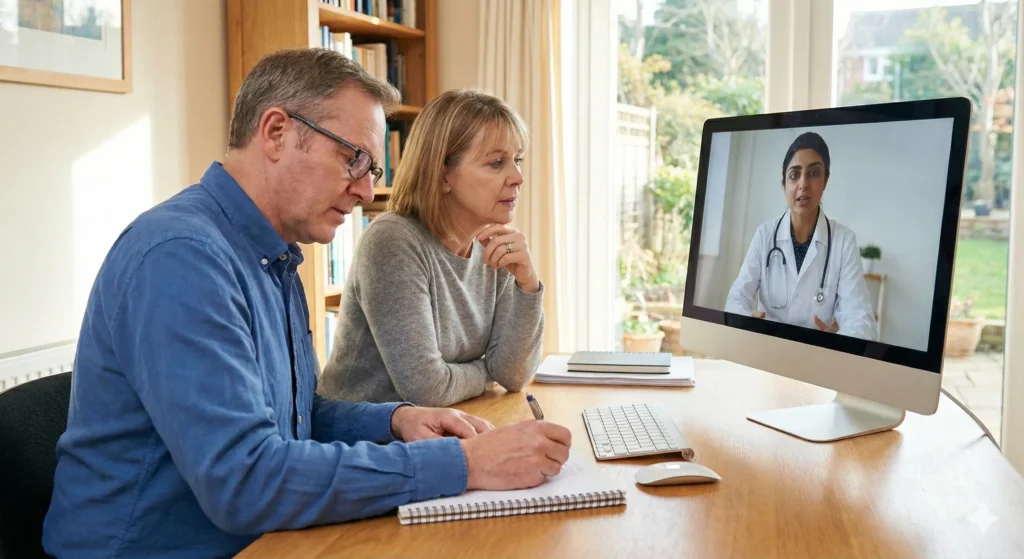
A bone marrow transplant is often described as a single medical procedure. In reality, it is a carefully managed journey that continues well beyond the transplant day.
For many patients, especially those traveling from overseas, the most sensitive phase begins immediately after the transplant. This phase is known as the first 100 days of recovery. During this time, the body is rebuilding its immune system, and everyday exposures that are normally harmless can become serious risks.
From our experience working with international BMT patients, we have learned that how and where recovery is planned plays an important role in reducing complications, improving outcomes, lowering stress for families, and supporting a steadier recovery.
This information reflects a treatment and recovery journey that is planned as one continuous process, rather than separate arrangements made at different stages.
What Is the 100-Day Recovery Period After a Bone Marrow Transplant?
The first 100 days after a bone marrow transplant refer to the early recovery phase when the transplanted stem cells begin producing new blood and immune cells.
During this period:
- The immune system remains extremely weak
- Patients are vulnerable to infections from air, food, and surfaces
- Close medical monitoring is essential
Doctors often consider this phase a critical milestone. Many early transplant-related complications, if they occur, tend to appear during this window. With appropriate precautions and medical supervision, however, most patients can move through this period safely.
This is also the stage when decisions about living arrangements, hygiene standards, diet, and proximity to medical care have the greatest impact.
Why the First 100 Days After BMT Matter for Recovery Outcomes
A successful bone marrow transplant depends on more than the procedure itself. Recovery conditions play an important role in increasing the success rate of the transplant.
During the first 100 days, several factors are known to influence recovery quality:
- Infection prevention: A weakened immune system cannot fight common bacteria, dust, or food-related germs.
- Continuity of medical care: Early detection of infections or graft-related issues allows timely treatment.
- Patient and caregiver adherence: Stressful environments or unsafe accommodation often make recovery protocols harder to follow.
For international patients, these challenges can be amplified if recovery planning is incomplete. This is why many families now look beyond the procedure cost alone and evaluate what level of post-transplant support is included in a treatment package.
For a detailed explanation of procedure-related expenses and pricing factors, you can read our complete guide on Bone Marrow Transplant Cost in India.
How Does Proper Recovery Planning Support Better BMT Outcomes
Rather than focusing on survival statistics, doctors emphasize risk reduction during recovery. Practical planning for post treatment recovery helps reduce avoidable complications that can affect outcomes.
Key elements that support smoother recovery include:
- A controlled, low-infection living environment
- Consistent medical supervision
- Safe, medically appropriate nutrition
- Reduced physical and logistical stress for patients and caregivers
While no recovery can be guaranteed, patients who have these safeguards in place often experience fewer interruptions, fewer emergency admissions, greater overall stability and often better outcomes during the early post-transplant phase.
Bone Marrow Transplant Recovery Facility at National Cancer Institute (NCI)
To address the specific needs of BMT recovery, we have associated with National Cancer Institute (NCI), which has designed its transplant program around both treatment and long-term recovery.
The facility has the following features that support patient recovery:
Sterile Rooms With HEPA-Filtered Air
The BMT unit at NCI uses HEPA filtration and controlled airflow systems designed to reduce exposure to airborne contaminants. These measures are particularly important during the early post-transplant period when immunity is lowest.
On-Campus Accommodation for Patients and Caregivers
Instead of being discharged to a hotel or external guest house, patients and one caregiver can stay at Yatri Niwas (English: Travellers Lodge), a residential facility within the NCI campus.
This arrangement allows:
- Faster access to doctors and nursing teams
- Reduced daily travel
- A hygienic, monitored living environment
Medically Supervised Diet During Recovery
Food safety is a critical part of post-BMT care. At NCI, meals are prepared under medical supervision for both the patient and one caregiver, helping reduce the risk of food-borne infections during recovery.
Our role is to help international patients understand these facilities clearly before they travel, so expectations around recovery and support are realistic from the start.
Bone Marrow Transplant Cost Comparison Including Recovery Support
When planning a transplant, many families focus on the procedure cost alone. However, extended recovery support can significantly affect overall expenses.
| Location | Approximate BMT Cost | Recovery Support |
|---|---|---|
| USA | $300,000 – $800,000 | Available but very high cost and often not included in insurance |
| Nigeria / Kenya | $35,000 – $60,000 | Limited specialized facilities |
| Turkey | $40,000 – $80,000 | Standard private care |
| NCI (India) | $12,000 – $25,000* | Integrated sterile recovery support |
*Costs vary depending on transplant type and clinical needs.
How Treatment Possible Supports You During the 100-Day Recovery Period
As a medical tourism company, our role is to reduce uncertainty for patients and families during a complex medical journey. Over the years, we have supported patients from multiple countries through the transplant and recovery phase in India, including the critical first 100 days.
We assist you with:
- Medical visa coordination
- Airport pickups and local transfers
- Hospital admissions and care coordination
- Ongoing support throughout the 100-day recovery period including meds if needed
Our focus is on helping patients concentrate on healing while we manage the practical details.
Please Note: Clinical decisions and treatment protocols are always determined by the treating transplant team.
Why Many International Patients Choose a Healthcare Coordinator
Bone marrow transplant treatment involves more than a single hospital visit. International patients often work with a care coordinator to help plan the full journey, including recovery needs that are not always clear at the beginning.
A coordinator can help with:
For many families, this support makes complex medical decisions easier to navigate, especially when treatment and recovery take place in another country.
Considering a Bone Marrow Transplant at NCI?
If you are exploring bone marrow transplant options and want to understand whether recovery planning at National Cancer Institute is right for your case, our team is here to help.